News & Blogs
Understanding How the Visualise, Optimise, Digitise Model Can Benefit the NHS

Many NHS trusts are still facing a gap between EPR deployment and meaningful clinical benefit. As times have progressed, documentation has moved from paper to screen, but workflows have remained unchanged. This leads to disengagement, workarounds, and inconsistent adoption across wards and specialities.
We identified this pattern across acute trust implementations. The issue was clear: digitisation was happening before optimisation. And as a result, organisations were embedding inefficient legacy processes into digital systems, limiting adoption and reducing value realisation.
Developing the Visualise, Optimise, Digitise Model
Jacqueline Davis, Chief Nursing Information Officer at System C, developed the Visualise, Optimise, Digitise (VOD) model in collaboration with Dione Rogers, Chief Nursing Informatics Officer at Barking, Havering and Redbridge University Hospitals NHS Trust. The model places clinical engagement at the centre of transformation.
The Visualise Stage
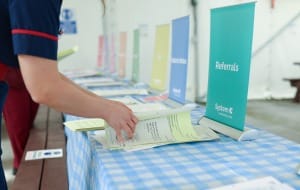
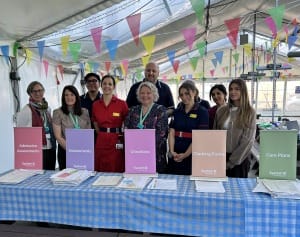
The Visualise stage introduces the use of a structured “Paper Picnic.” This process involves clinical staff bringing every paper document used in patient care into one place. These documents are then categorised, colour-coded, and logged to create a clear picture of current practice. Seeing the sheer amount of paper laid out in front of clinicians really puts into perspective the volume of paper-based processes and the benefits of reducing the load. This method allows process mapping, observation, and time-motion analysis to identify duplication and inefficiency before digital decisions are made.
The Optimise Stage
The Optimise stage uses another clinician-led approach by setting workshops where clinicians review the mapping done in the Visualise stage. In these workshops, clinicians also complete workflows to remove duplication, reduce variation, and redesign pathways. This goes beyond documentation to address full end-to-end processes, ensuring workflows are digitally lean and operationally effective. This helps leaders focus staff on the practical benefit: demonstrating a reduced administrative burden and more time for patient care.
The Digitise Stage
The Digitise stage converts the agreed workflows from the ‘Optimise’ stage into CareFlow EPR across mobile and desktop. By continuously monitoring after go-live, staff can identify issues early, transforming an ongoing cycle rather than a one-off implementation.
How VOD Creates Stronger Ownership of Transformation
As a result of this methodology, clinical teams have reported stronger ownership of transformation and a clearer understanding of how digitisation improves daily practice. Mobile handover functionality removes the need for end-of-shift terminal updates, enabling real-time documentation at the point of care. Structured data improved consistency across records.
Where benefits initially fell short, we repeated visualisation and optimisation activities to identify gaps and refine workflows, demonstrating continuous improvement beyond go-live.
How does VOD align with NHS England’s Plans?
VOD aligns with NHS England’s What Good Looks Like framework by focusing on meaningful system use rather than deployment alone. The process helps to strengthen clinical ownership, reduce reliance on central IT teams, and support the improvement culture recognised by HIMSS EMRAM assessments. VOD also creates a stronger foundation for integrating emerging capabilities such as Ambient Voice Technology, helping to make NHS England digital.
What are the Lessons Learned?
Through multiple uses of the methodology, we realised that sequence matters. For example, digitising before optimising locks inefficiency into clinical systems. We truly believe that clinical engagement must be embedded structurally, not treated as a communications exercise.
Ensuring We Replicate VOD at Scale
The VOD model emerged through collaboration between the supplier and NHS clinical leadership. But networks and peer learning groups help replicate this at scale, enabling trusts to share practical lessons and accelerate digital maturity through proven approaches. VOD can help support the NHS going paperless and accelerate digital transformation in healthcare.
Next Steps
Explore our full collection of news and blogs to keep up to date with everything happening at System C, from product updates and industry insights to company news and expert opinions.
If you have any questions or enquiries, don’t hesitate to get in touch. Our friendly team of experts is always ready to assist you