News & Blogs
What Every Council Should Know Before Starting Their Local Government Reorganisation Journey

Discussions around Local Government Reorganisation (LGR) often focus on the potential risks, particularly the need to ensure services remain available and residents continue to receive the support they need throughout the transition. While maintaining continuity is essential, LGR also presents a significant opportunity. By creating authorities that are better sized to serve their communities and removing the district council layer, reorganisation has the potential to reduce duplication, improve efficiency and establish greater consistency in how local government operates nationally.
Understanding Local Government Reorganisation
Beyond organisational changes, LGR provides an opportunity to address long-standing challenges with data, integration, legacy systems and technology. The creation of new strategic authorities, with boundaries aligned to Integrated Care Boards (ICBs), can also give councils a stronger voice within wider systems. This is particularly important in areas such as health and social care, where effective collaboration between multiple organisations is needed to deliver joined-up services and better outcomes for residents.
Cumbria’s local government reorganisation into Cumberland Council and Westmorland and Furness Council shows why councils need to plan early, protect service continuity, build strong partnerships, maintain rigorous governance, and support the people receiving and delivering change. As more councils are preparing for their own reorganisation programmes, lessons from Westmorland and Furness offer valuable insights into what it takes to deliver a successful transition.
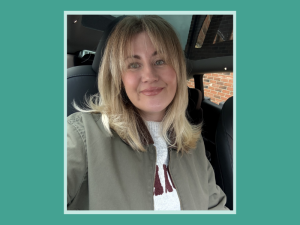
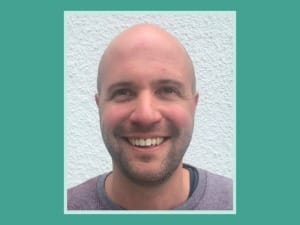
In Episode 81 of the Public Sector Executive Podcast, Roy Rowlands spoke with Mark Scott, System C Chief Operating Officer and Paul Robinson, former Westmorland and Furness Council Director of Enabler Services, about the lessons learned from a recent example of local government reorganisation. Their conversation highlighted several themes that can help councils prepare for the challenges and opportunities ahead.
Start Earlier Than You Think
One message stood out throughout the discussion: start earlier than you think.
There is no doubt that LGR affects far more than organisational structures; Councils need to review systems, data, processes and services while continuing to support residents without unintended disruption.
“I think prepare is the biggest word for me. How do you get ready for this? [LGR] is coming very soon and having that runway to test and have confidence that your data’s robust and you can continue to deliver those services is hugely important,” said Mark Scott, Chief Operating Officer, System C.
Councils need as much time as they can get to understand their systems, assess any data they hold, and build confidence that they can continue to deliver life-changing services safely during change.
Mark Scott continued to say, “It is sooner than you think. Plan early and set out your non-negotiables, your principles for working and focus on being safe and legal.”
Paul Robinson reinforced this point. Having led the ICT workstream during LGR, he urges councils to secure the financial and human resources they need as early as possible and warns against underestimating the scale of LGR and the work ahead.
Protect Data at All Costs
Throughout LGR for Westmorland and Furness Council, one priority remained at the forefront: ensuring the continuity of the records and services that help people access the support they need, including vulnerable children and adults.
Both of our speakers stressed that reorganisation cannot be an excuse to let data and records fall through the cracks. Councils cannot compromise any data integrity, service uptime or safeguarding responsibilities.
How Westmorland and Furness Safely Protected Their Data
The team focused on maintaining secure records, protecting system availability and ensuring that practitioners could continue accessing the information they needed. Alongside any technology considerations, the programme required careful attention to cybersecurity, information governance, and legal responsibilities.
A takeaway from Westmorland and Furness’ experiences: protecting data and ensuring continuity of every service must sit at the centre of every decision.
Partnerships Matter More Than Contracts
In Westmorland and Furness’ experience, having a strong partnership between the council and the supplier was valuable.
The process presented several challenges that neither organisation had encountered before. While local government reorganisation is not new, the split of Cumbria County Council and the creation of Westmorland and Furness Council brought unique complexities that required both teams to adapt as the programme evolved. Rather than relying solely on contractual agreements, the organisations worked towards a shared goal and responded collaboratively as new challenges emerged.
Reflecting on the relationship between System C and Westmorland and Furness, Paul said: “I knew that it couldn’t just be a client contract relationship; it needed to be much more than that… It needed to be a partnership relationship.”
This partnership allowed both teams to discuss risks openly, adjust plans when necessary and focus on achieving the right outcome for practitioners and residents.
Expect the Unexpected
Even the strongest LGR plans require flexibility.
The process met some technical challenges such as changing requirements and issues that neither team could fully anticipate at the start of the project. The teams responded quickly by keeping strong governance, revisiting decisions when and where needed and conducting additional tests where risks remained.
“Whatever you plan, I will give you one guarantee, you won’t stick to the plan; there will be deviations,” said Mark Scott.
LGR within Westmorland and Furness could only succeed because the team found issues early, worked through them together and refused to compromise on the areas that mattered most.
Don’t Forget About Your Staff
Technology will play a critical role throughout LGR transformation, but successful change depends on the people involved. In Westmorland and Furness, the creation of a new unitary authority brought together services and teams from several former councils across a large and diverse geography. As the speakers highlighted, delivering change at this scale requires collaboration, adaptability and a shared commitment to supporting residents throughout the transition.
Paul described the workforce as an organisation’s greatest asset during LGR and highlighted the pressure that many of his colleagues faced whilst balancing their day-to-day tasks and the demands of a major transformation programme. Teams were stretched as they needed to keep services running, support their peers and deliver complex technical work often against demanding deadlines.
Both speakers emphasised the importance of trust and support. Leaders relied on the specialist teams to solve problems, give expert advice and guide decisions at key moments during the process. Paul credited the success of the project to the people who lived and breathed LGR during the time period, showing key commitment to the transition.
Paul pointed to the importance of investment in people as one of the biggest reasons why LGR succeeded, as teams built trust, worked collaboratively and overcame challenges together.
How Can Technology Support Successful LGR?
Technology supported every stage of Westmorland and Furness’ reorganisation, but the discussion within the podcast made it clear that technology’s role goes far beyond just maintaining systems.
The change focused on protecting records, supporting staff, maintaining service uptime, and reducing any risks during the transition. Technology helped teams at Westmorland and Furness to manage data securely, preserve access to key information and help to support safe decision-making throughout the process.
The experience also provided valuable learning for other councils due to undergo local government reorganisation. It helped build a greater understanding of the challenges councils may face during transition and highlighted approaches that could reduce risk and support successful delivery for authorities embarking on their own LGR programmes.
Looking Ahead
Westmorland and Furness Council showed that successful local government reorganisation depends on more than technology alone. Councils need early planning, strong partnerships, rigorous governance, secure data and the right support for the people delivering change.
As councils prepare for their own reorganisation programmes, the message is clear: start early, protect service continuity, work collaboratively and focus on the citizens who rely on services every day.
Next Steps
Why not tune into Episode 81 of the Public Sector Executive Podcast to listen to the full discussion around local government reorganisation and its impact on councils across the UK.
You can listen to this social care podcast now on Spotify, Apple Podcasts, YouTube and Acast.
Preparing for Local Government Reorganisation? Explore our dedicated page to discover how we can support your transition and help you maintain continuity throughout change. If you need personalised support, please reach out to your account manager.
Explore our collection of news and blogs to stay up to date with the latest social care software and developments.